
2026.5.15
Zen Words for Everyday Life Vol. 13
“Hogejaku”
Our modern society is marked by information overload. Not only that, but our daily schedules are filled to the brim, leaving us without so much as space to breathe. When we live our lives like that, it becomes impossible to gather and organize our thoughts. The Zen phrase 放下著 (hogejaku) fits perfectly in this situation.
“Hoge” means “to let go,” “set aside,” or “throw away,” and the particle “jaku” turns it into a command. Put together, the phrase means, “Do not get attached. Just let it go.”
Let us begin by looking at a dialogue featuring the phrase. The following was an exchange between the Zen monk Zhaozhou, who was active in China in the 9th century, and one of his disciples.
The disciple came to Zhaozhou and asked, “What should one do when one has discarded everything and no longer possesses anything?”
Zhaozhou answered, “Hogejaku”—let it go.
The disciple protested, “But I have already done so and possess nothing. What am I supposed to let go of?”
Zhaozhou replied, “If you cannot let it go, then take it with you.”
In that moment, the disciple reached enlightenment.
(The Venerable Yanyang Shanxin, Scroll 4, The Compendium of the Five Lamps)
It may be difficult to grasp what exactly Zhaozhou was trying to teach through the exchange above. Let us unpack the story a little more.
The disciple starts out by saying that he has already let go of everything and no longer possesses anything. In other words, he claims to have left behind all of his attachments and attained enlightenment.
However, the very pursuit of the state of possessing nothing can itself paradoxically ensnare you. In other words, the desire to let go of everything becomes a new attachment. Zhaozhou admonished his student, saying, “If you have nothing to let go of, then carry it with you (you haven't truly let go of your attachments yet).” To put it another way, you must go as far as to let go of the very concept of letting go.
So, how can we apply this concept of “hogejaku” (let it go) to our modern lives?
We live in an information society. The amount of information we receive in a single day today is said to be the equivalent of a whole lifetime’s worth of information of someone living a thousand years ago, and one year’s information of someone living a few hundred years ago.
This situation was created by digital society, and smartphones in particular. Although smartphones offer unparalleled convenience, it sometimes appears as if we are controlled by them, rather than the other way around. This may be one of the reasons why gyms and saunas have become so popular these days. People probably want to spend time away from their smartphones and focus on a single activity.
We carry too many burdens in our busy lives. While the information you gather can give you new perspectives or insights, the answers you seek are not external to the self. They lie within.
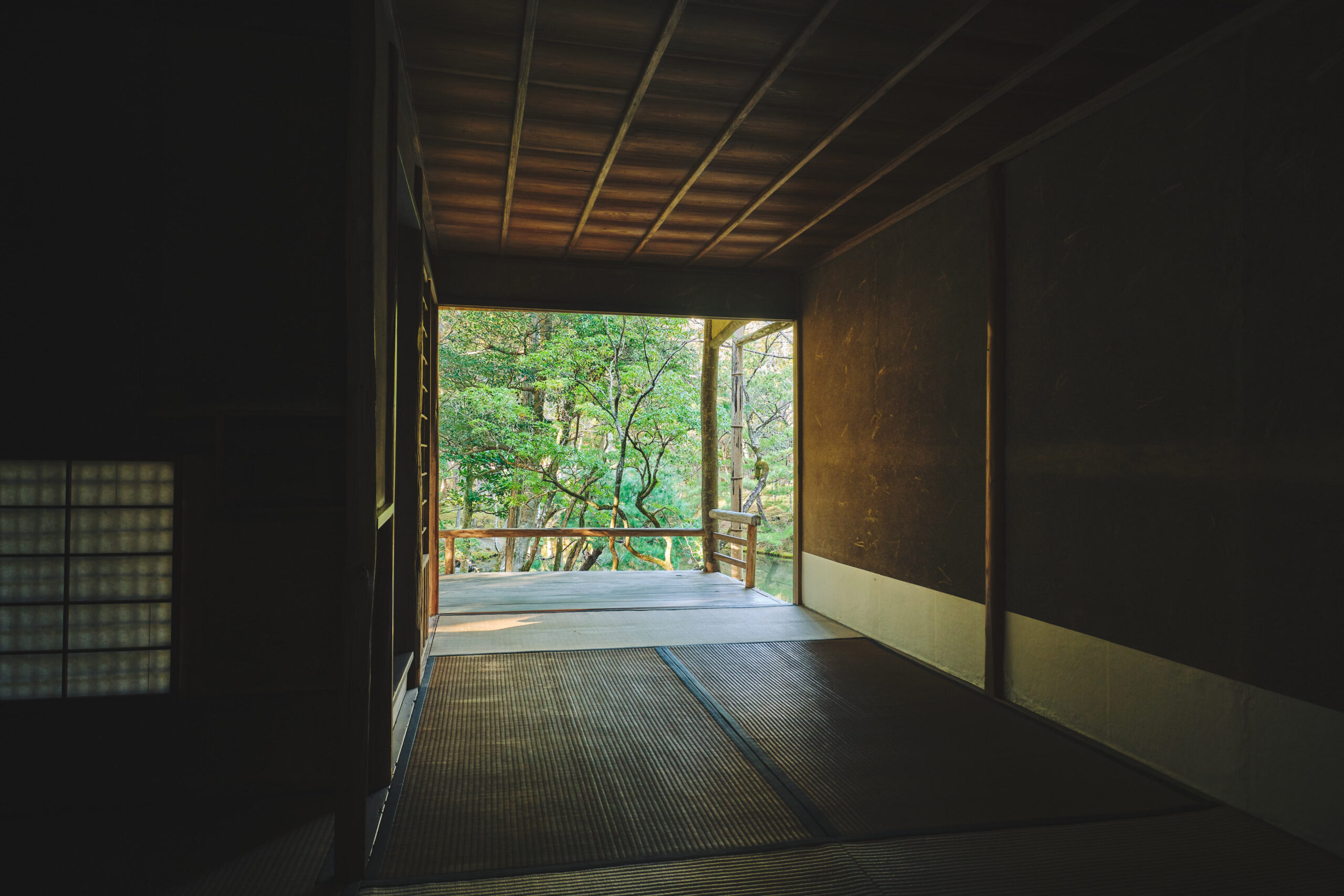
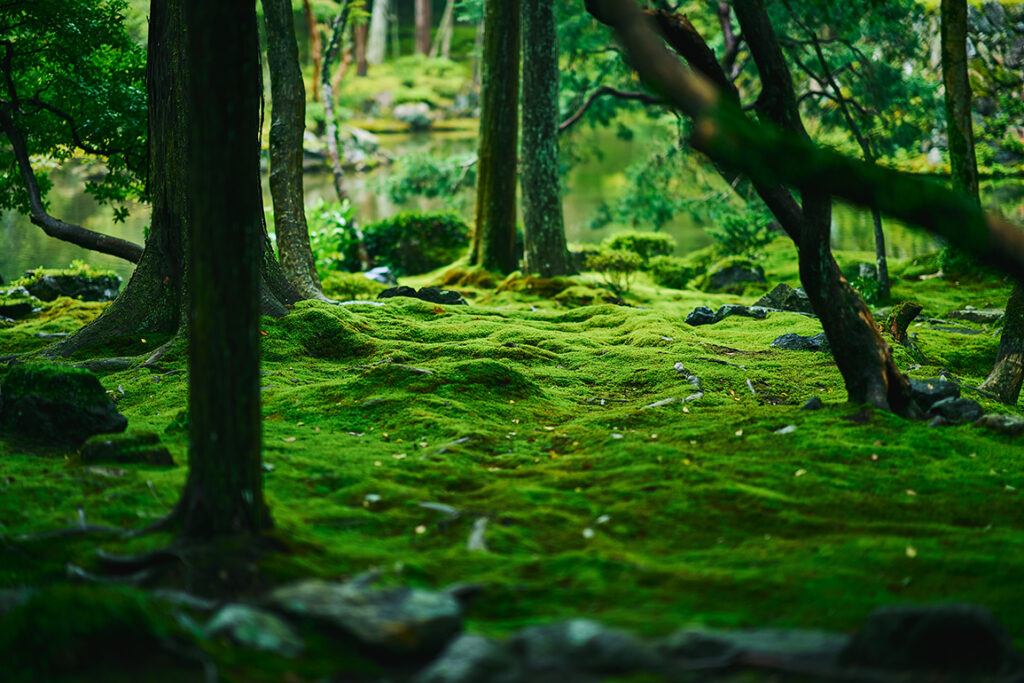
Even if just once a month, try stepping away from your smartphone and take a moment to reflect on yourself. If you have the time, we would be delighted if you could visit Saihoji and spend a quiet moment of reflection in the garden.
If you want to discover what is truly important, you must first stop and let go of everything.
Saihoji FUJITA Ryuko
Up next
Most read