
2026.9.20
体露金風 西芳寺第二十八景
ピーター・J・マクミラン
(翻訳家・詩人)
翻訳者であり詩人でもあるピーター・マクミラン氏が、西芳寺の魅力を綴る「体露金風 西芳寺」シリーズ。日本文化への造詣が深いピーター氏の感性と深い洞察が誘う、心の旅。ぜひ原文の美しい響きも、ご堪能ください。
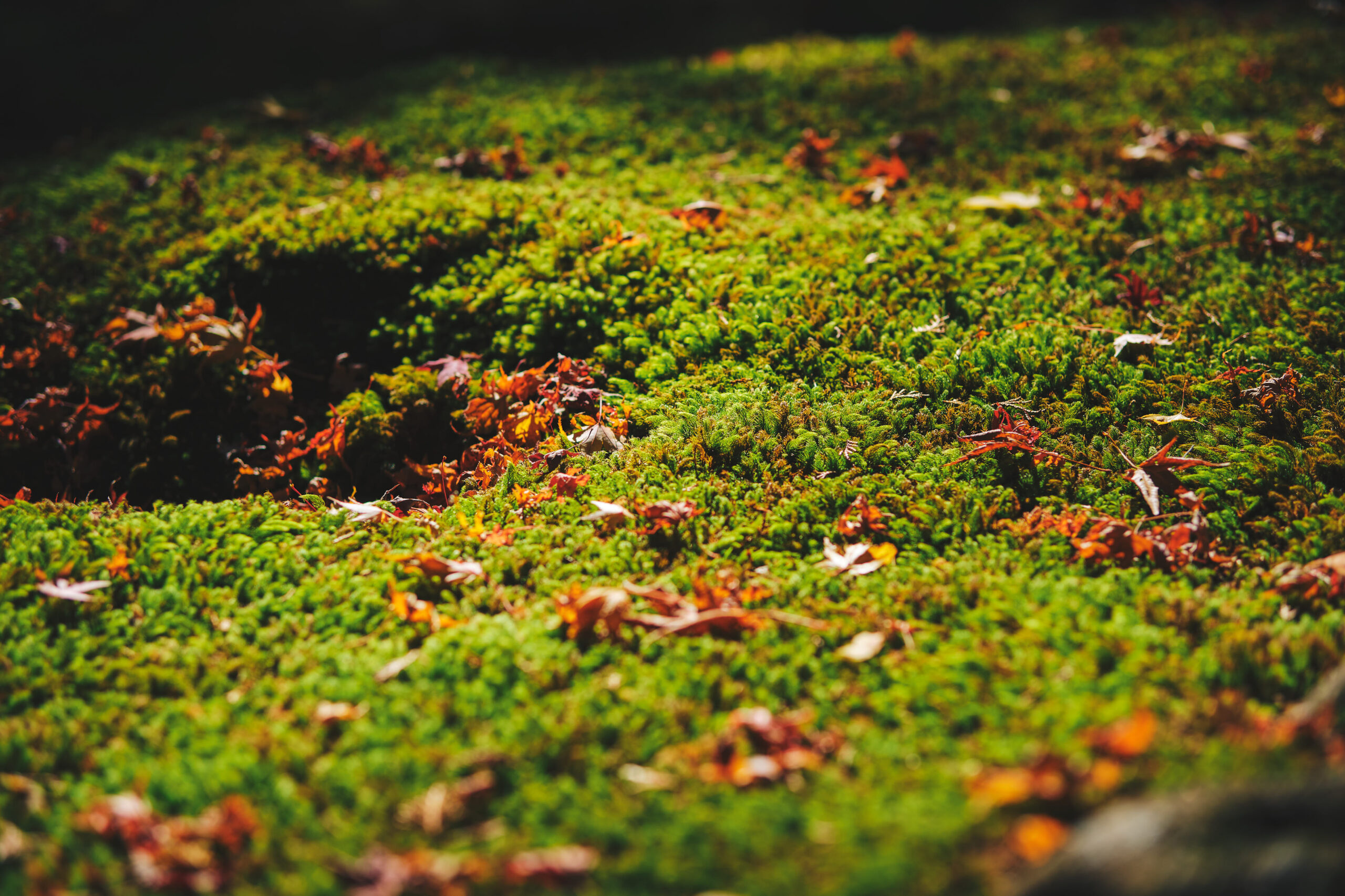
たったひとりのための苔庭
悠久の歴史を感じさせる西芳寺。ですが、その景観は時代とともに姿を変えてきました。過去にあったお堂は幾度となく失われ、お寺の宗派や役割も変化してゆきました。今私たちが見ている苔で覆われたお庭には、かつて白砂が敷かれていた時期もあります(西芳寺の詳しい歴史はこちらからお読みいただけます)。
そうした変遷のなかで、たった一つ、この場に静かに佇み続けている建物があります。黄金池沿いにある茶室「湘南亭」です。その作り手とされる千少庵が今この地を訪れたとしても、変わらずそれと分かる唯一の建物かもしれません。
この場にもっとも古くから在る建物は、信仰のためのお堂ではなく、ただひとりで過ごすために作られた茶室なのです。
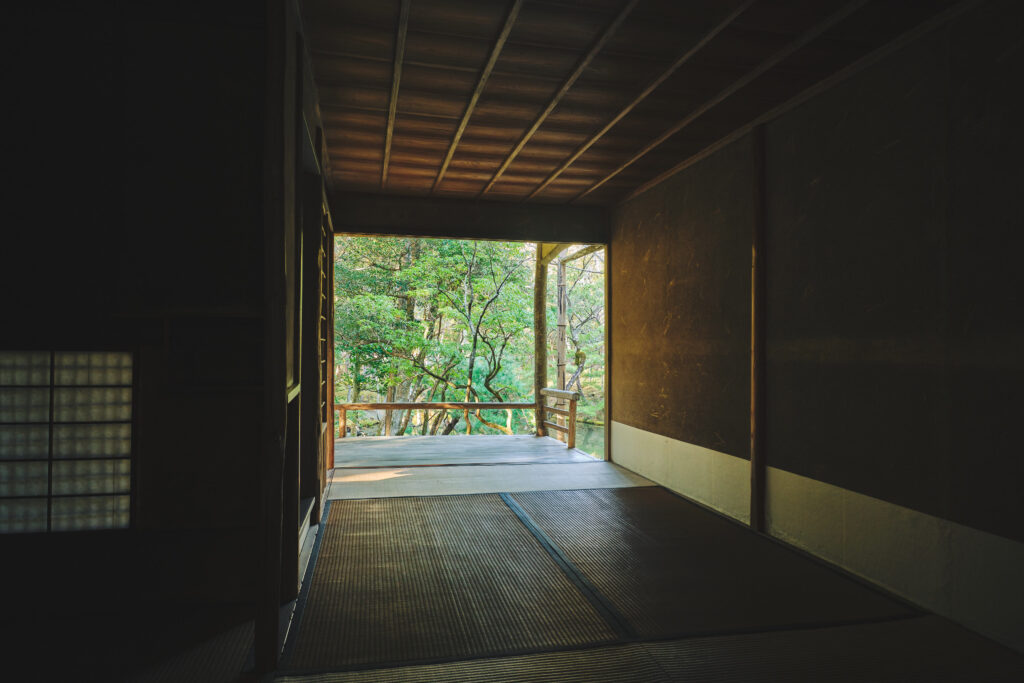
この茶室には、型破りな点がいくつもあります。まず湘南亭には、月見をするための「月見台」が池に張り出しています。月見台は通常、月が昇ってから沈むまでの軌道に合わせ、東や南に設けられます。しかし湘南亭では、北向きに設置されています。これは、意図的に月へ背を向けるよう設計されたもの。この建物は、空に浮かぶ月ではなく黄金池の水面に映る月を愛でるための場だったのです。
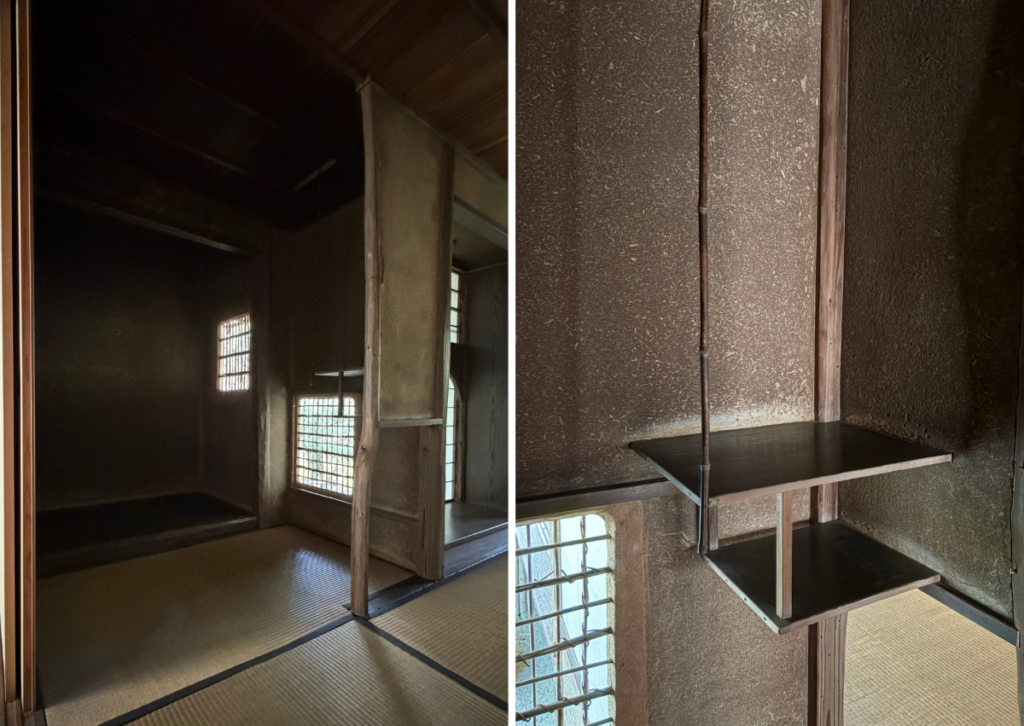
冬に西芳寺で講演会が実施された際には、少庵の末裔である千宗屋さんが湘南亭ならではの特徴を教えてくださいました。宗屋さんによると、この建物の特筆すべき点は床の間だそう。茶室の床の間は客人が座る側にあることが慣例とされており、客人は入ると、まず掛け軸や茶花を目にする設計となっています。一方で湘南亭では、亭主が座る位置の背後、つまり亭主が背中を向ける側に床の間があります。そのため、亭主が選んだ掛け軸も、朝に摘んだお花も、客人が茶室に入るときには見えません。こうした構造は「亭主床」と呼ばれており、茶室の目的も通常とは異なります。湘南亭は、客人を迎えるお茶会のためではなく、個人の書斎のような場だったのです。亭主は自分のために茶室を設え、お茶を点て、来客があれば共にお茶を飲みながらも、正式に誰かを招くことはない。これを「自娯」というのでしょう。この茶室は、おそらく客人をもてなすためではなく、自分自身の内省や娯楽の場として建てられたと考えられます。
こうした内向きな在り方は、雲雀棚にも表れています。千家の茶室では客人への心遣いとして、雲雀棚の下段に置かれた茶碗が客人からも袖壁越しに少し見えるように設えられています。しかし、湘南亭の雲雀棚は袖壁に隠れ込む位置に設置されており、客人からは茶器が見えません。見せる必要がないものは、見せなくていいのです。
この茶室の在り方を、皆さんと西芳寺の関係性に例えてみましょう。湘南亭の床の間が客人に背を向けるように、西芳寺は世の中から一歩引くことができる場所です。誰にもてなされるわけでもなく、何かを得ることを目的としない空間で、ただ写経をし、お庭の小道を辿り、じっと座る。そんな時間に身を置くうちに、皆さんの意識は、ほかのどこでもなく自分の内側へと向かっていくでしょう。
西芳寺の建物や庭は、この空間を美しく見せるためというよりは、皆さんを内省へと導く場です。北向きの月見台、亭主の背後にある床の間、視界から隠された雲雀棚。このそれぞれが、他者との関わりのなかで求められる振る舞いを、一つひとつ取り除いてくれます。その先に残るのは、たったひとりの人間と苔庭だけ。このお庭における調和とは、深い信仰心や他者との歩み寄りではなく、皆さん自身が本来の自分と静かに融合してゆくこと。その気づきはきっと、湘南亭から見える月のように、思わぬところから訪れるでしょう。そして、すくい取ろうとすれば、水面にたちまち散ってしまうのです。
講演の日、宗屋さんは少庵が作った茶杓を持ってきてくださいました。その細く繊細な形状は、まさに「柔らの少庵」。作り手本人のお人柄が映し出されています。宗屋さんは、少庵が午後のひとときを湘南亭で過ごせるよう、その茶杓を床の間に置かれました。湘南亭もお寺少庵を出迎えることはしませんでしたし、きっとそれは少庵自身も望んでいなかったこと。代わりに、少庵はいつも通りに床の間に背を向けて座り、北を向き、お茶を点てたことでしょう。そして外に目をやり、黄金池の水面に浮かぶ月影に視線を落としたのではないでしょうか。その影は揺らぎ、散り、そして静かに再びひとつになっていったことでしょう。
皆さんにも、この西芳寺を自娯の場としてお過ごしいただけますように。心が揺らぎ、ばらばらになっている自己に気づいても、またひとつに戻ってゆけるはずです。
A Garden for One—Lessons from Shonantei Tea house
Almost nothing at Saihoji is as old as it looks. The halls have disappeared several times and the temple has changed sect and changed purpose, and what is now a garden of deep moss was once laid out in white sand. (Click here for the details about its history.)
The one thing that has simply stayed is a small building at the edge of the Golden Pond. Shonantei teahouse is the only structure here that Sen no Shoan, by tradition its maker, would still recognize. The oldest survivor on these grounds is therefore not a hall of worship, but a tea house made for one.
There are many unconventional aspects to this tea house. The platform thrust out over the water is for viewing the moon, and platforms of that kind look east or south, towards the quarter where the moon rises and the arc along which it travels through the sky. However, this one faces north, deliberately away from the moon itself, because the moon here was meant to be welcomed not in the sky but in its reflection in the Golden Pond.
During a winter lecture at Saihoji, Sen Sooku, a descendant of Shoan, drew attention to another distinctive feature of Shonantei. According to him, the room’s most unusual aspect is the placement of its alcove. There is a quite strict convention for tea house tokonoma alcoves that it should face the guests, so that on entering they meet the scroll and the flower before anything else. At Shonantei the alcove sits behind the place where the host kneels, so that his back is turned to it, and the scroll he chose and the flower he cut that morning face away from the people who have come. This is a teishu-doko, a host’s alcove, and it changes what the room is for. A tea house is normally a stage to perform the tea ceremony for guests, but this one is a study. The host decorates it for himself, makes tea for himself, and anyone who happens by may share the tea, but nobody is being received. The word for it is jigo, “one’s own enjoyment.” In other words, this tea house is probably intended for one’s own personal reflection and enjoyment rather than a place for receiving guests.
The same withholding governs the shelf. Beside the preparation place a shelf hangs in the old hibari-dana manner, and in rooms of the Sen tradition its lower tier is set so that a sliver of it, and of the bowls on it, shows past the partition wall as a courtesy to the guest. Here it is mounted clear above the wall, and the utensils are simply invisible, because nothing is displayed that does not need to be.
Let’s think of the tea house as a metaphor for your relationship to Saihoji. It is a place where you can politely turn your back on the world, exactly as the alcove does. What it offers instead is a few hours in which nobody is receiving you and nothing is displayed for your benefit, and in which the copying of the sutra, walking of the paths, and sitting still are arranged so that your attention has nowhere to go but inward. The architecture and the garden are the instrument of that rather than decoration around it. The north-turned platform, the alcove behind the host, the shelf lifted out of sight—each removes one more thing to perform in interaction with others. What is left is a person, and the moss garden. Harmony in the garden is not achieved by communion and agreement with others but the quieter alignment with your own inner self. Understanding, when it comes, arrives as the moon does at Shinantei, at an angle, in a form that will scatter if you try to scoop it up.
On the day of the talk, Mr. Sen carried a tea scoop that Shoan had carved, a slender, delicate object, exactly as the carver is remembered, Shoan the Gentle. Mr. Sen placed it in the alcove so that its maker might come home for an afternoon. The tearoom and the temple would not have turned round to greet him, and he would not have wanted it to. Instead, he takes his place as he always did, back to the scroll, face to the north, and whisks the tea to a froth. Then, he looks out and down to where the moon lays on the surface of the Golden Pond, trembling, breaking, and quietly making itself whole again. Let Saihoji be your jigo place— a place just for you. And here may you tremble, become aware of your splintered being and come whole again.
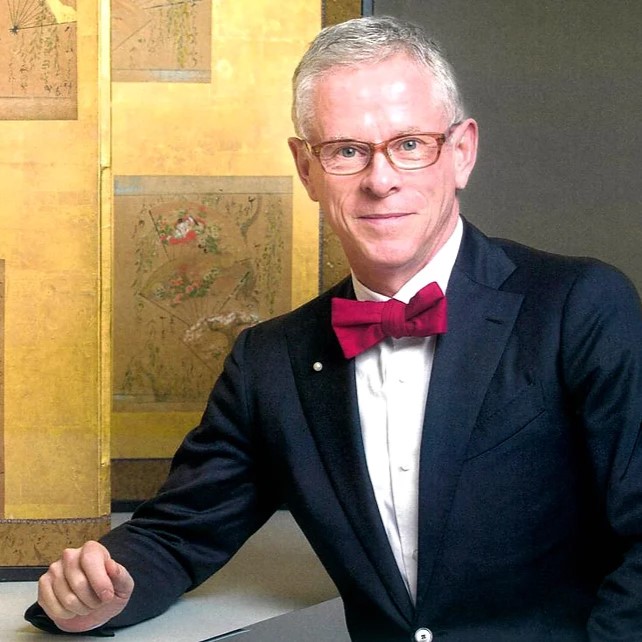
Peter MacMillan ピーター・J・マクミラン
翻訳家・詩人。株式会社 月の舟(制作・翻訳会社) 代表取締役。
2008年に英訳『百人一首』を出版し、日米で翻訳賞を受賞。2016年9月には英訳『The Tales of Ise』(伊勢物語)、2017年には英訳『One Hundred Poets One Poem Each(新訳)』の2冊がPenguin Booksより出版される。近著に『日本の古典を英語で読む』『英語で味わう万葉集』など著書多数。2019年より朝日新聞にて「星の林に」、2022年より京都新聞にて「不思議の国の和歌ワンダーランド 英語で読む百人一首」を連載。
翻訳:福田安奈
関連記事
おすすめの記事