2026.11.20
体露金風 西芳寺第三十景
ピーター・J・マクミラン
(翻訳家・詩人)
翻訳者であり詩人でもあるピーター・マクミラン氏が、西芳寺の魅力を綴る「体露金風 西芳寺」シリーズ。日本文化への造詣が深いピーター氏の感性と深い洞察が誘う、心の旅。ぜひ原文の美しい響きも、ご堪能ください。
違うまま、共に生きる
秋の午後に、見つけたもの
先日、珍しい顔ぶれの4人を連れて西芳寺を訪れました。まずは、アイルランドにいる私の妹の友人夫婦。あとの2人はいずれも日本人で、社会人になったばかりの青年と、人生の折り返し地点にいる男性です。それぞれ年齢も国籍も、これまで歩んできた道も、西芳寺に寄せる期待も異なります。私は「彼らは、共にどんなことを語り合うのだろうか」と考えを巡らせながら、4人と共に西芳寺の門をくぐりました。
彼らがそこで目にしたのは、お庭そのものです。最初に少しだけ坐禅をしたところ、私たちの心は自然とひとつになってゆきました。その後、庭を歩いているうちに、私たちの間にあった距離も、少しずつ和らいでゆきました。アイルランド出身のご夫婦はどちらも庭師をされており、苔がどのように育てられているのかと興味津々のご様子です。一方、青年はささやかなうつくしさに次々と気づき、もうひとりの男性は水辺で静かに腰を落ち着かせていました。私たちはまるで、苔に覆われた石のようでした。苔むしてもなお、石は石としてあり続けているように、私たちもまた、お庭の景色へと溶け込んでいます。お庭を一周し終えるころには、うつくしさをわかちあうなか、私たちにちいさなつながりが生まれていました。
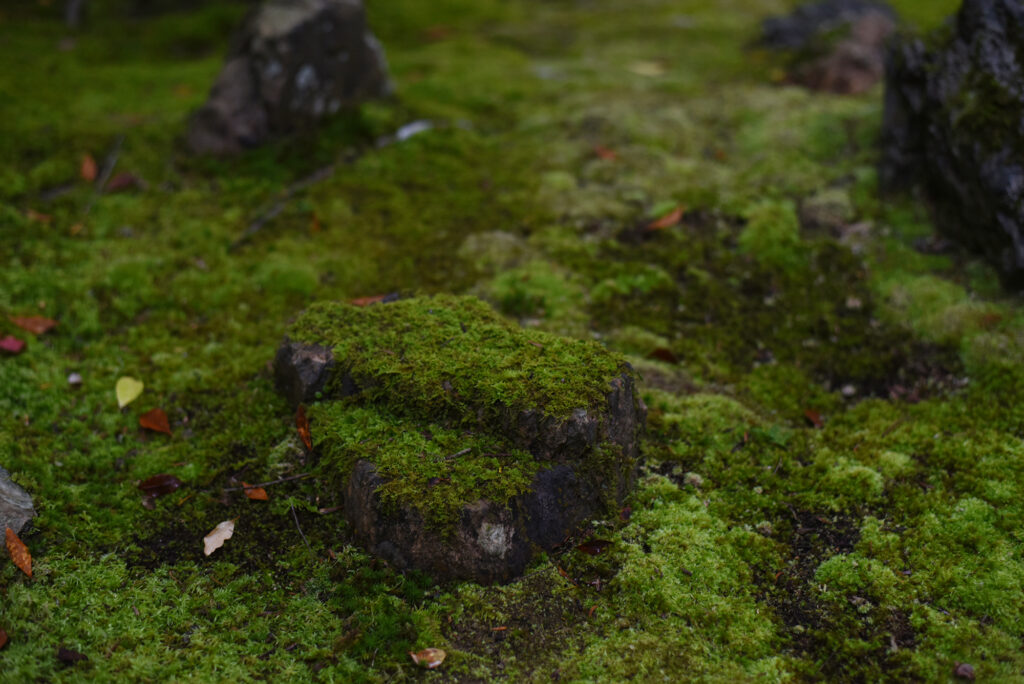
嵯峨の自宅に帰る道すがら、私は「違いがあるまま共に在るには、どうすればいいのか」と考えていました。そして、私が原稿を書き終えたばかりの本の核心に込めたものの一端が、目の前で起きたのだと感じました。その本は、日本で理想とされてきた「和」、すなわち調和をテーマにしたものです。調和と聞くと、全員が同じになることだと思うかもしれません。しかし和の理想的な在り方とは、違いが共鳴すること。まったく異なるもの同士が共に生き、それゆえに、それぞれの“らしさ”がより一層引き出されることです。音楽も、ひとつの音だけでハーモニーを奏でることはできません。あの4人は同様に、澄み切った秋の光に照らされたお庭で、それぞれの個性を鮮やかに映し出していたのです。
多くの日本人が目指す調和の理想的な在り方を、もっともよく表している言葉があります。「和を以て貴しとなす」、つまり「和」を何よりも大切にするという考え方です。これは聖徳太子の言葉で、和という概念を政治および生き方の指針として日本に初めて導入したと言われています。聖徳太子は西芳寺ともつながりのある人物です。この地には、行基菩薩が8世紀にお寺を建立するよりも前から、聖徳太子の別荘があったと言い伝えられています。歴史的な偉人が、この場所を、もしくはその近くを歩いていたかもしれない。そう思うと、なんとも感慨深いものです。
これからのエッセイでは、この「和」というテーマを、さらに深く掘り下げていきます。聖徳太子について、後世に語り継がれてきた人物像と、歴史上の皇太子としての姿、その両面から迫ります。そして、和の哲学をさらに探求し、西芳寺を単に「お庭」としてだけでなく、「和が育まれる場」として見てゆきたい。ここでは、異なるバックグラウンドの人々が集い、それぞれが各々の過去、未来、そして今の世界で平和を築くためには何をすればいいかを考えています。このエッセイの最後には、皆さんの人生に和の生き方を落とし込んでいただくためのエクササイズも用意しています。
今回の訪問では、秋の午後の陽気のなか、4人のまったく異なるゲストたちが、この場所の可能性に気づかせてくれました。また、100種を超える苔たちが互いに寄り添い合いながら共存している様子を見ると、その姿からも学ぶことがあるように感じました。

A Harmony of Differences
An Autumn Afternoon at Saihoji
Recently I took four guests to Saihoji, and a more unlikely company I could hardly have assembled. Two were an Irish couple, friends of my sister in Ireland. The third was a young Japanese man at the very beginning of his working life, and the fourth a Japanese man in the middle of his. The four differed in age, nationality, history, and expectation. As we walked through the gate of the moss temple together, I wondered at first what they would find to share.
What they found was the garden itself. We began with a short meditation that brought us together. As we moved along the path, the distance between us softened. The Irish couple, both gardeners, were full of curiosity about how moss is cultivated; the young man noticed one lovely detail after another; and the older man sat for a long while in silence by the water. We were like the moss-covered stones around us, which blend into the landscape without ever ceasing to be stones. By the time we had completed our circuit of the garden, we had become a small community, joined in a shared appreciation of beauty.
On the way home toward Saga, I found myself thinking about how we might be together in our differences. And I felt that I had witnessed, in miniature, the idea at the heart of a book whose manuscript I have just finished—a book about the Japanese ideal of wa, or harmony. We often mistake harmony for everyone becoming the same, but at its best wa harmonizes differences. It allows distinct things to stand beside one another so that each becomes more fully itself. As in music, harmony requires more than one note. And in the clear autumn light of the garden, each of my guests had become more fully who they were.
There is a phrase that is most closely associated with the ideal of harmony that most Japanese aspire to, wa o motte totoshi to nasu, “harmony is to be treasured above all.” And it is traditionally attributed to Shotoku Taishi, the prince remembered who introduced wa to Japan as a principle of government and of life. And Shotoku Taishi has a connection with Saihoji. According to legend, long before the monk Gyoki founded a temple here in the eighth century, this ground was the site of Prince Shotoku’s country villa. It is lovely to think that one of Japan’s greatest historical figures may have once walked on or near this ground.
In the essays to come, I would like to follow these threads further—to look more closely at Shotoku Taishi, both the figure of legend and the historical prince; to explore the philosophy of wa in greater depth; and to consider Saihoji not only as a garden but as a place of wa, where people of different backgrounds might gather to think deeply about their past, their future, and what might help to make peace in the world today. I have enclosed an exercise at the end for you to practice making wa a part of your life.
On my most recent visit, four diverse companions on an autumn afternoon showed me what such a place can do. And the more than one hundred kinds of moss living side by side in the garden seemed to be telling me that, together, they would be my teacher.

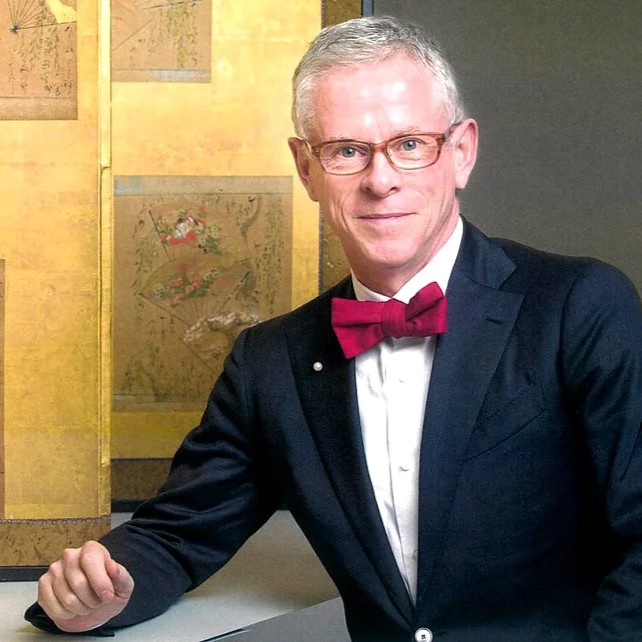
Peter MacMillan ピーター・J・マクミラン
翻訳家・詩人。株式会社 月の舟(制作・翻訳会社) 代表取締役。
2008年に英訳『百人一首』を出版し、日米で翻訳賞を受賞。2016年9月には英訳『The Tales of Ise』(伊勢物語)、2017年には英訳『One Hundred Poets One Poem Each(新訳)』の2冊がPenguin Booksより出版される。近著に『日本の古典を英語で読む』『英語で味わう万葉集』など著書多数。2019年より朝日新聞にて「星の林に」、2022年より京都新聞にて「不思議の国の和歌ワンダーランド 英語で読む百人一首」を連載。
翻訳:福田安奈
関連記事
おすすめの記事