2026.10.20
体露金風 西芳寺第二十九景
ピーター・J・マクミラン
(翻訳家・詩人)
翻訳者であり詩人でもあるピーター・マクミラン氏が、西芳寺の魅力を綴る「体露金風 西芳寺」シリーズ。日本文化への造詣が深いピーター氏の感性と深い洞察が誘う、心の旅。ぜひ原文の美しい響きも、ご堪能ください。
お庭を訪れるものたち
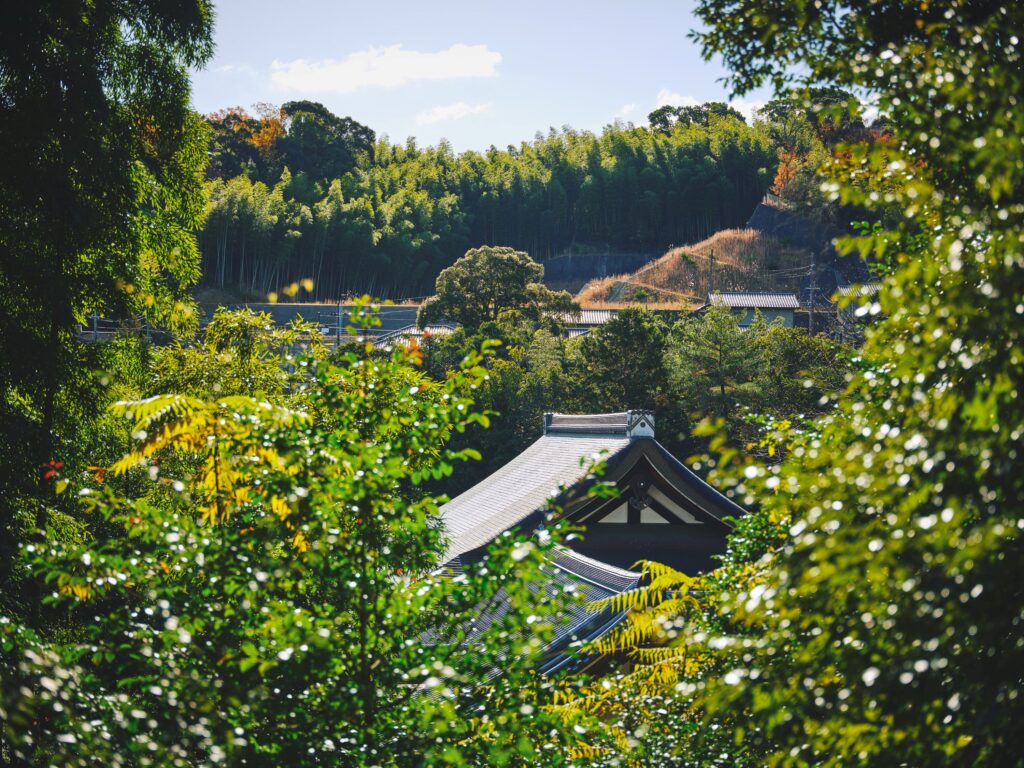
お昼過ぎ、参拝者がひとりもいなくなると、西芳寺の門が閉ざされます。ですが、お庭がしんと静まり返ることがありません。別の訪問者が、姿を現すのです。猿が柵を乗り越え、鹿が山から降りてきて、イノシシは植物を食べようとお庭をじっと見つめています。朝を迎えるまで、このお庭は動物たちの場となるのです。京都のお寺の多くは、西芳寺と同様に、山を背に建てられています。それゆえに昔からずっと、庭園と山々には明確な境界がありませんでした。
近年は鹿やイノシシの警戒心が薄れ、人里に食べ物を求めるようになりました。西芳寺では苔へのダメージも深刻になり、防護柵の強化など動物の侵入を防ぐための対策を真剣に検討せざるを得なくなったそうです。私はその必要性を理解しながらも、心に小さな痛みを感じました。きっと、お寺の従業員たちも複雑な心境でしょう。自然を鑑賞するためのお庭が今、自然の脅威から守られなければならない存在になっているのですから。そうした状況を耳にし、お庭を歩くたびに感じていることを思い出しました。このお庭も、小倉山の麓にある私の自宅の庭も、私たちが「自分のものだ」と思っている場所はすべて、決して私たち人間のためのものではないということです。私たちは少しのあいだ、山の一部を使わせていただいているだけ。このお庭にかつて白砂が敷かれる前から、鹿たちは先祖代々この場で暮らしてきたことでしょう。私たち人間のほうこそ“侵略者”だと思われていても、おかしくはありません。
私はときどき、「なぜ生き物を殺さないのか」と聞かれることがあります。蚊ですらも、夏になるたび築古の自宅に現れるムカデですらも、見つけたら自然に帰しています。お庭では大きめの石を印に立て、ちいさな生き物たちのための「虫塚」を作りました。家のなかで亡くなっている虫を見つけたときは、そこに埋め、安らかに眠れるようにお祈りをしています。
私は日本に住むうちに、仏教の教えでは命を奪うことは禁じられており、神道では石や木、そして虫にも神様が宿っていると考えられていることを学びました。また、一緒に暮らしている4匹の猫たちはそれぞれ性格も好みも異なるため、その姿を通して、すべての存在がかけがえのないものであることを教わりました。私には生き物の命を創り出す力はないのですから、その命を奪う権利もないわけです。
繰り返し我が子を失った俳人の小林一茶は、あらゆる命を大切にする心を数多くの俳句に書き残しました。ある歌では、ちいさな生き物がまるで人間のように手足をこするさまを描写することで人情味を持たせています。
やれ打つな 蠅が手をすり 足をする
(やれうつな はえがてをすり あしをする)
yare utsu na / hae ga te o suri / ashi o suru
Don’t swat the fly!
It wrings its hands,
it wrings its feet.
西芳寺に防護柵を設置することが悪いとは思いません。苔も大切にされるべき存在です。それでも私は、自分たちの行いを、鹿などの動物への心苦しさや感謝とともに、心に留めておきたいと思います。
このお庭を歩くとき、私たちは自然界の一部に足を踏み入れさせていただいています。私自身も、そしてこのお寺も、山に身を寄せさせていただいている身なのですから。
私たち人間は、この庭に生きるものたちと、周囲の山々に暮らすものたちと、さらにはその先にあるあらゆる生命と、切っても切れない関係にある。そのことを静かに感じ取ることが、この場の価値を真に理解するということだと思います。
Guests in the Garden
When the last visitor leaves Saihoji in the early afternoon and the gate closes, the garden does not fall silent. It simply changes its guests. Monkeys climb over the fences, deer come down from the mountain, and wild boars come to gaze upon the garden in longing to eat its plants. All through the night, the moss belongs to them. Many of the temples of Kyoto stand, like this one, with their backs against the hills, and the boundary between garden and forest has always been indistinct.
In recent years deer and boar have grown bolder and hungrier, and the damage to the moss has become serious enough that the temple has had to strengthen its fences and think seriously about how to keep the animals out. I understand the necessity, and yet I felt a small pang — the same one, I suspect, the temple staff felt — at the thought of a garden built for the contemplation of nature now defending itself against nature. It reminded me of what I have always felt walking here—that this garden, and my own garden at the foot of Ogura yama, and indeed every place we call ours, is not ours at all. We are borrowing a small corner of the mountain for a while, and the deer, whose ancestors were here long before the garden was first laid out in white sand, might reasonably regard us as the intruders.
People sometimes ask me why I try never to kill anything — not even a mosquito, not even the centipedes that appear in my old house each summer, which I always return to nature. In my garden I have a mushi-zuka, a large rock marking the collective grave that I made for small animals and insects. When we discover a dead insect in the house, we bury it behind the zuka and pray for its repose. Living in Japan, I came to know the Buddhist precept against the taking of life, and the Shinto sense that a kami may dwell in a stone, a tree, an insect. And from my four cats — each with a wholly different personality and set of needs — I have learned that every being is unique. I did not make any of these lives, and I have no right to end them.
The poet Kobayashi Issa, who lost many of his children, wrote many haiku about how we should treasure all living beings. He humanizes the smallest creature by ascribing to it the very human gestures of wringing its hands and its feet.
やれ打つな 蠅が手をすり 足をする
(やれうつな はえがてをすり あしをする)
yare utsu na / hae ga te o suri / ashi o suru
Don’t swat the fly!
It wrings its hands,
it wrings its feet.
I do not think that building fences at Saihōji is bad. The moss, too, must be protected. But I would like us to build our fences knowing what we are doing — with a kind of apology and thanks in our hearts toward the deer and the other animals.
When you walk the garden, remember that you are a guest here, as I am, as the temple itself is a guest on the mountain, and that the truest form of appreciation is simply to feel quietly how bound up we are with every living thing here, in the hills around it, and beyond.
Peter MacMillan ピーター・J・マクミラン
翻訳家・詩人。株式会社 月の舟(制作・翻訳会社) 代表取締役。
2008年に英訳『百人一首』を出版し、日米で翻訳賞を受賞。2016年9月には英訳『The Tales of Ise』(伊勢物語)、2017年には英訳『One Hundred Poets One Poem Each(新訳)』の2冊がPenguin Booksより出版される。近著に『日本の古典を英語で読む』『英語で味わう万葉集』など著書多数。2019年より朝日新聞にて「星の林に」、2022年より京都新聞にて「不思議の国の和歌ワンダーランド 英語で読む百人一首」を連載。

翻訳:福田安奈
関連記事
おすすめの記事