
2026.4.24
体露金風 西芳寺第二十四景
ピーター・J・マクミラン
(翻訳家・詩人)
翻訳者であり詩人でもあるピーター・マクミラン氏が、西芳寺の魅力を綴る「体露金風 西芳寺」シリーズ。日本文化への造詣が深いピーター氏の感性と深い洞察が誘う、心の旅。ぜひ原文の美しい響きも、ご堪能ください。
旅の終わりに
今回で、「体露金風 西芳寺」の連載をはじめてちょうど2年の節目を迎えます。せっかくですから、「始まりと旅の場」という西芳寺のテーマについて、少し考えてみたいと思います。これは西芳寺のホームページがリニューアルされた際に、私が作った“The Garden of Origins and Journeys”という英語版コンセプトです。
旅は、いつ始まるのでしょうか? その答えは、道にも地図にも、あるいは星の導きにも記されてはいないはず。むしろ、抑えきれないほどの憧れのなかにあるのです。石が水流に押されてようやく動くように、私たちもさざ波や夢のようなきっかけがないと動き出せません。それは言葉かもしれない、傷かもしれない、もしくは、雨の中を歩いているときかもしれません。私たちがまだ言葉にできていないような、何かのほのかな希望に背中を押されることもあるでしょう。始まりは、どこか遠くにあるのではありません。「変わらなければいけない」と思った瞬間が、始まりなのです。
この頃、西芳寺を訪れる度に、私が今人生で歩んでいる旅路はどこに続いているのだろうかと考えます。西芳寺に向かう途中で、心の中に大きな虚無感を感じることも何度も何度もあります。ですが、私が抱えるバッグに自分の弱さが溢れんばかりに詰まってる一方で、何か新しいものを発見し、体験できるのではないかという期待と憧れもあるのです。西芳寺の園路は決して広大ではありませんが、ここに来るたびに、ウォルト・ホイットマンが次の詩で語ったような気持ちになります。
“Song of the Open Road”
Afoot and light-hearted I take to the open road,
Healthy, free, the world before me,
The long brown path before me leading wherever I choose.
『大いなる道の歌』
徒歩で、軽やかな心で、私は大いなる道を行く
健全で、自由で、世界は私の前にある
私の目の前にある長い茶い道は、私が選んだところへと導いてくれる

ですが、大いなる道へと旅立つときに私たちが心から得たいと願っているものは何でしょうか? 旅の果てにたどり着きたいと思っている場所は、どこでしょうか? デレック・ウォルコットの詩から、そのヒントを探ってみましょう。
“Love After Love”
The time will come
when, with elation
you will greet yourself arriving
at your own door, in your own mirror
and each will smile at the other's welcome.
『愛のあとの愛』
やがて、時は来る
気持ちの高まりとともに
自らの扉の前に、自らの鏡の中に辿り着いた
あなた自身に出会う時が
そして互いの歓迎に、微笑みあうのだろう
タイトルが示す通り、この詩は恋が冷めたり誰かと別れたりしたあとに、自分自身を――鏡の中の姿として、肉体的にも、そして精神的にも――再発見する喜びを描いています。そして、本当に愛すべき存在は自分自身なのだと気づかせてくれるのです。失恋から立ち直るときの詩ではありますが、人生の旅にも通じるものがあるのではないでしょうか。というのも、いかなる旅も、目指すところは自己発見もしくは再発見であり、自分自身を受け入れて真に愛する力を得るきっかけとなる旅こそが、何よりも大切だからです。
この詩のように、皆さんが旅の途中で見つけた新しい自分を心から愛せますように。なぜなら、人生のコンパスは北でも右でもなく、はるか遠くを、はるか昔を、そしてあなた自身を、まっすぐに指しているのですから。
The End of Your Journey
This marks the second year since the series “Winds of Gold—A Hundred Views of Saihoji” began. And I would like to think a little about the theme of Saihoji as a place of origins and journeys, as that was the sub-title I created for the Saihoji home page. When does our journey begin? I believe that is not in a road, or map, or the guidance of the stars, but rather in a longing too strong for us to contain. Just as a stone does not move unless nudged by a stream, nor do we begin without something like a ripple or even a dream. It may be a word, a wound, or a walk in the rain. It may be a faint promise of something we cannot yet explain. The origin lies not in lands far away, but from the moment we feel that we must change.
These days on each visit to Saihoji I think about the direction of the journey I am taking in my life. Sometimes on the way, I face again and again a huge emptiness in my heart, but along with my suitcases overflowing with weaknesses, there is also the expectation and a longing to discover and experience something new. Though the path around the garden of Saihoji is not an open road, whenever I go there, I always want to feel as Walt Whitman did in this poem:
“Song of the Open Road”
Afoot and light-hearted I take to the open road,
Healthy, free, the world before me,
The long brown path before me leading wherever I choose.
But what is it that we really wish to discover when we set off in on a journey on the open road? And where do we wish for the journey to lead us? I think a hint may be found in a poem by Derek Walcott:
“Love After Loved”
The time will come
when, with elation
you will greet yourself arriving
at your own door, in your own mirror
and each will smile at the other's welcome.
As the title suggests, the poem is about the joy of re-discovering yourself —both physically in your mirror but also spiritually—after you fall out of love or break up with someone and realizing that the truly important person to love is yourself. Though it is a poem about recovering from lost love, I believe it can also apply to journeys. Because the goal of all journeys is to discover or re-discover yourself and there is no more important journey than the one that helps us to acquire the ability to accept and love ourselves truly.
As in the poem, I pray that the new self that you discover on your journey will be one that you can truly love, because in the end, the compass of life is always spinning not north or south, but true—to something far, to something ancient, and to you!
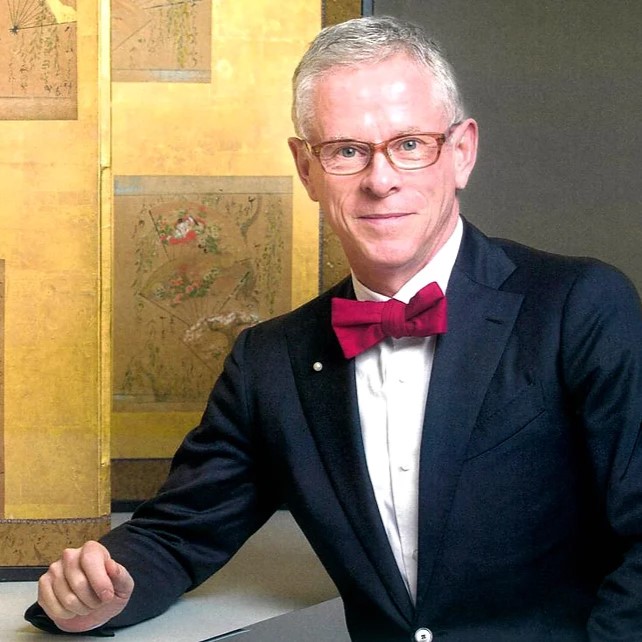
Peter MacMillan ピーター・J・マクミラン
翻訳家・詩人。株式会社 月の舟(制作・翻訳会社) 代表取締役。
2008年に英訳『百人一首』を出版し、日米で翻訳賞を受賞。2016年9月には英訳『The Tales of Ise』(伊勢物語)、2017年には英訳『One Hundred Poets One Poem Each(新訳)』の2冊がPenguin Booksより出版される。近著に『日本の古典を英語で読む』『英語で味わう万葉集』など著書多数。2019年より朝日新聞にて「星の林に」、2022年より京都新聞にて「不思議の国の和歌ワンダーランド 英語で読む百人一首」を連載。
翻訳:福田安奈