
2025.12.20
体露金風 西芳寺第二十景
ピーター・J・マクミラン
(翻訳家・詩人)
翻訳者であり詩人でもあるピーター・マクミラン氏が、西芳寺の魅力を綴る「体露金風 西芳寺」シリーズ。日本文化への造詣が深いピーター氏の感性と深い洞察が誘う、心の旅。ぜひ原文の美しい響きも、ご堪能ください。
道に迷ったとき
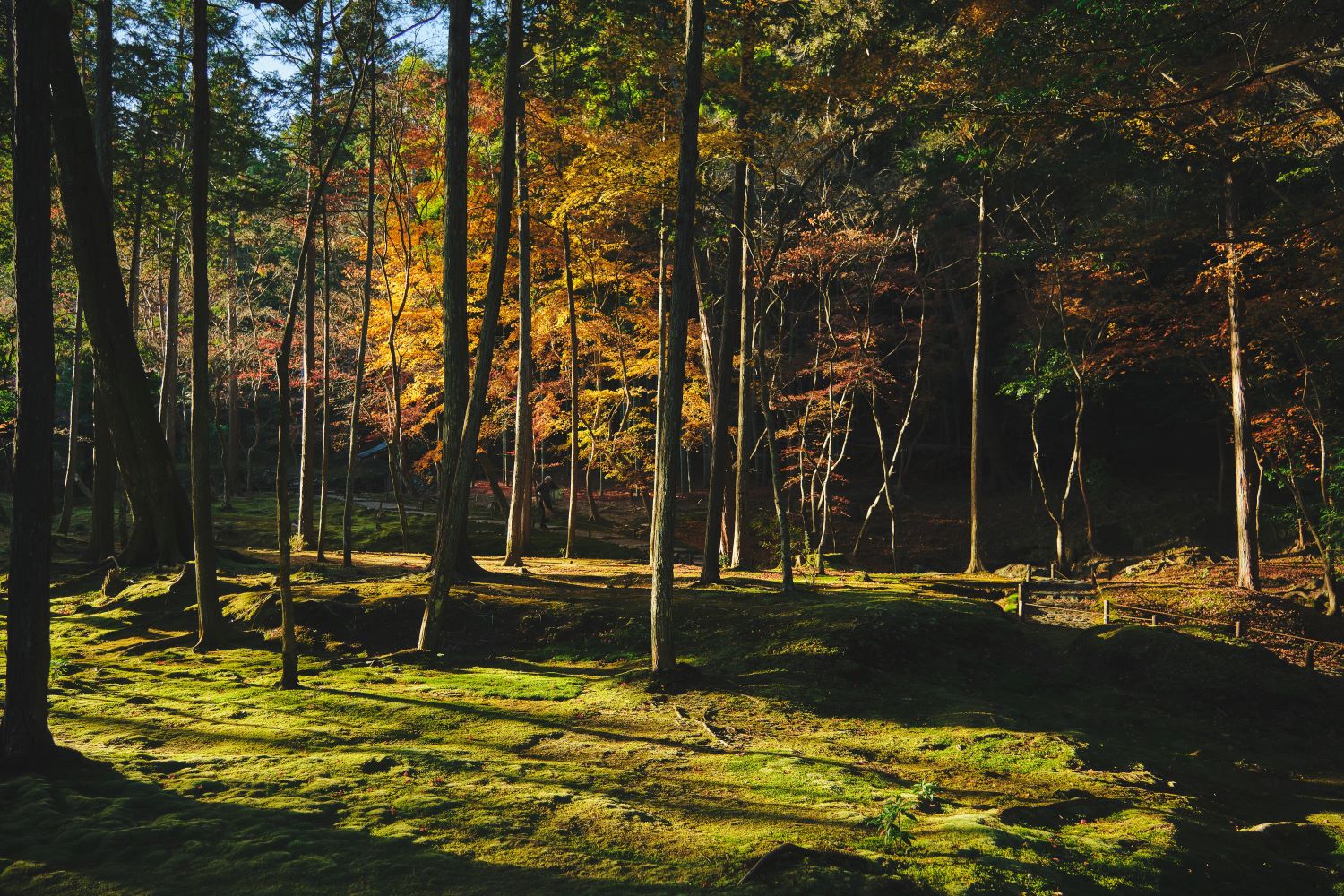
今回は、春に西芳寺を訪れた日のことを振り返りたいと思います。早朝、2カ月ぶりの訪問で胸が弾む一方、いいエッセイが書けるのかという不安も感じていました。ですが、いざお庭に足を踏み入れ、あまりの美しさを目にした瞬間、この壮麗さを言葉で書き綴ろうとしようとしたところで無駄なのだと悟りました。自然の美しさに、私たち人間は到底及ばないのですから。
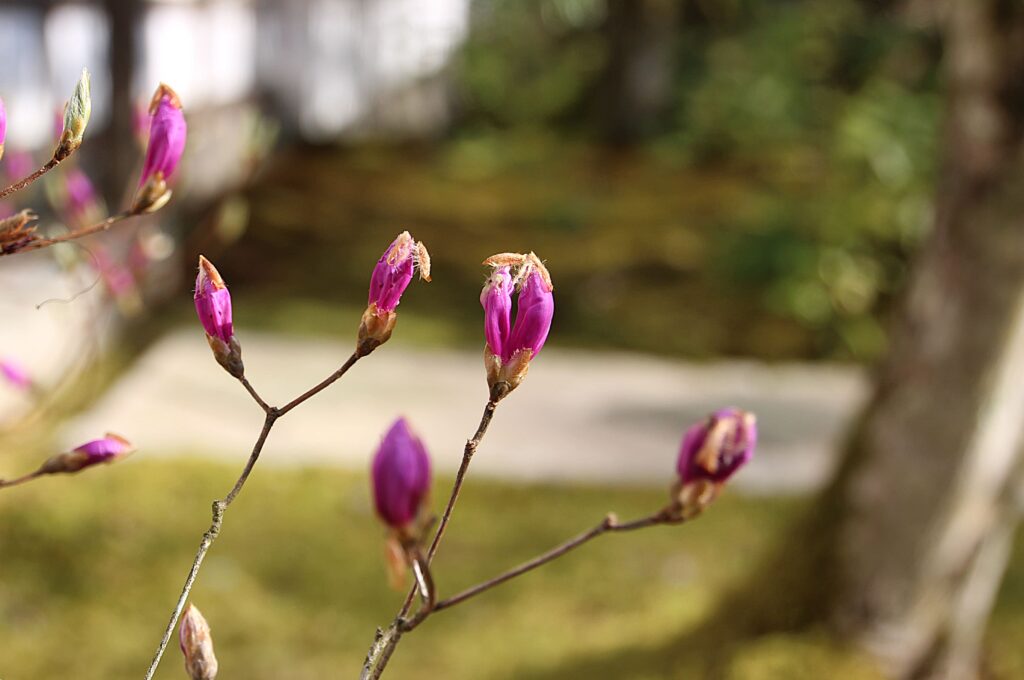
お庭は見渡す限り、春の多様な移ろいに満ちていました。つぼみが芽吹き始め、鳥たちが皆、朝を歓迎しています。清々しく美しく、そして躍動的で豊かな何かがあるこの空間で、この自然の壮大さには太刀打ちできないのだと感じました。こうした圧倒的な自然の力は、この庭にとどまらず、私たちを取り巻く世界全体に満ちています。
ですが、お庭を歩きながら、この連載を途中で断念することはできないことを思い出しました。一定の数は書ききることを、すでに約束していたからです。道に迷ってしまったとき、一度歩み始めた旅路を進み続けるためにはどうすればいいのでしょうか。読者の皆さんにも、同じように悩んだ経験があるかもしれません。実際に最近、ある若い読者がこんなメッセージをくれました。
「西芳寺をきっかけに新しい旅を始める決心をしても、実際にゴールにたどり着くために何をすればいいか分からず、もしくは、どの道を歩めばいいか分からず、道に迷ってしまう人もいるのではないでしょうか」
お庭を歩き続けていると、著名な詩人・ルーミーの「歩み始めれば、道は現れる」という言葉を思い出しました。旅の始まりにぴったりな言葉ですが、こう言い換えることもできるでしょう。
「旅の途中で道に迷ったとき、ただ歩み続ければ、道は現れる」
どのような旅になるかは、前もって知ろうとしないほうがいい。もし知ってしまえば、それほど価値のない旅になってしまうかもしれませんから。結果を予測しようとするよりも、旅そのものの中にこそ、大きな価値を見出すことができます。それに、道に迷うことは大切な経験であり、意義のある旅では必ず起こり得ることです。ですから、道に迷ったときは、その瞬間を大切にし、そこから学びに繋げてください。そして、とにかく次の一歩を踏み出してみてください。そうすれば、答えは必ず目の前に現れます。毎日を人生の次なるステージへの新たな一歩だと思って、歩んでいきましょう。
このお庭をテーマに執筆する者としてできるのは、自然というものは自分の言葉では表しきれないものということを受け入れることだけです。ですが、それは言葉に価値がないという意味ではありません。人間はとても社会的な動物で、常に他者とのコミュニケーションや、人生の道しるべを必要としています。このお庭を完璧に言い表そうとするよりも、私自身の人生の旅路や失敗談、そして、そこから得た学びを素直に打ち明けたほうが、読者の皆さんの役に立てるでしょう。それに、このお庭はこれまでの日々に思いをめぐらせながら言葉を紡ぐのに、ふさわしい場所です。
そして、道しるべでもあり、多くのことを教えてくれる存在です。しかし、本当に大切なのは、日常に戻ったあとに起きること。ですから、道に迷っても歩みを止めないでください。人生は必ず、あなたの旅路へと、あなただからこそ歩める旅路へと、続いていきますから。
Getting Lost on the Way…
This time I would like to write about a visit I made to Saihoji in spring. It was early morning. I had not been for two months, and I felt excited but also nervous about whether I could write a good article today. And as soon as I walked into the garden and saw how splendid it was, the thought came into my mind that it was completely futile to try to capture in writing the splendor of the garden, because we humans can never match the beauty of nature. Everywhere I looked, the garden was full of the manifold changes of spring. Buds were coming out and all kinds of birds were welcoming the morning. There was something so fresh and beautiful, so dynamic and rich, and I felt it was impossible to transcend the magnificence of nature, that not only fills this garden but also the whole world around us.
But as I was walking around the garden, I realized that I could not just stop my column because I had already promised to complete a certain number of articles. And I wondered how one should continue a journey which has been started when one gets lost on the way. I am sure this must be something that the readers will also have experience, and indeed one young reader of my column recently sent me this message: “Even if one decides to take a new journey by coming to Saihoji, I think there are some who don't know what to do to actually reach their goal, or who don't know what path to take, and so they feel lost.”
While walking onwards I recalled the saying of Rumi the famous poet, “As you start to walk on the way, the way appears.” It is a great saying about how to begin a journey, and I think it could also be re-written, “When you get lost on your journey, just continue and the way will appear.”
We should not expect to know in advance what the journey will look like, and if we do, it may not be such a worthwhile journey. Rather than expecting to predict results, we can find great value in the journey itself. And getting lost on the way is an important part and essential part of every important journey. So when you get lost, treasure that moment and learn from it. Then just take the next step anyway and an answer will surely appear in front of you. Let every day be the first step on the next stage of the journey of your life.
For me as a writer on the garden, I can simply accept that nature will always be more magnificent than my words, but it does not mean the words will have no value. Humans are highly social animals that need constant communication with others and guidance in their lives. Rather than my trying to write a perfect description of the garden, it may be more helpful for readers for me to describe my own personal journey through life and sharing insights honestly about my many failings and the things I learnt from them. And the garden is the perfect place to think over and write about such things.
The garden is a benchmark and a great teacher, but it is what happens after we return to life that is what is important. So never stop walking even when you are lost. Life will always lead you on the journey that is yours and only yours.
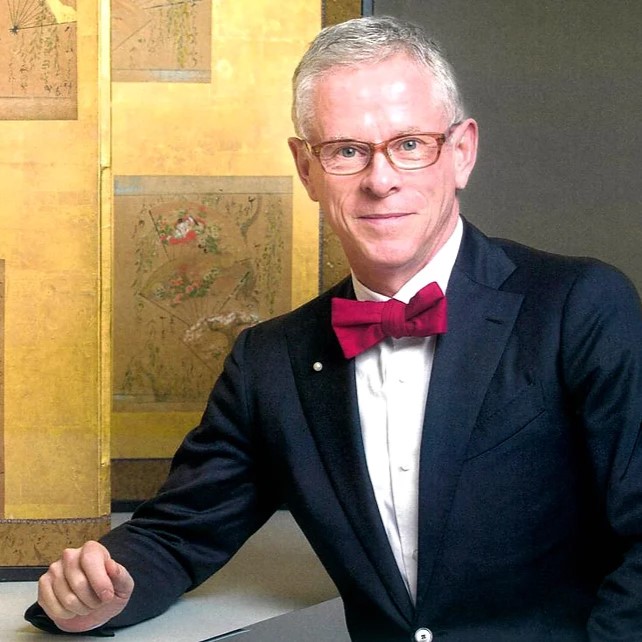
Peter MacMillan ピーター・J・マクミラン
翻訳家・詩人。株式会社 月の舟(制作・翻訳会社) 代表取締役。
2008年に英訳『百人一首』を出版し、日米で翻訳賞を受賞。2016年9月には英訳『The Tales of Ise』(伊勢物語)、2017年には英訳『One Hundred Poets One Poem Each(新訳)』の2冊がPenguin Booksより出版される。近著に『日本の古典を英語で読む』『英語で味わう万葉集』など著書多数。2019年より朝日新聞にて「星の林に」、2022年より京都新聞にて「不思議の国の和歌ワンダーランド 英語で読む百人一首」を連載。
翻訳:福田安奈
関連記事
おすすめの記事